Nearly 60 Cato College representatives to present at AERA
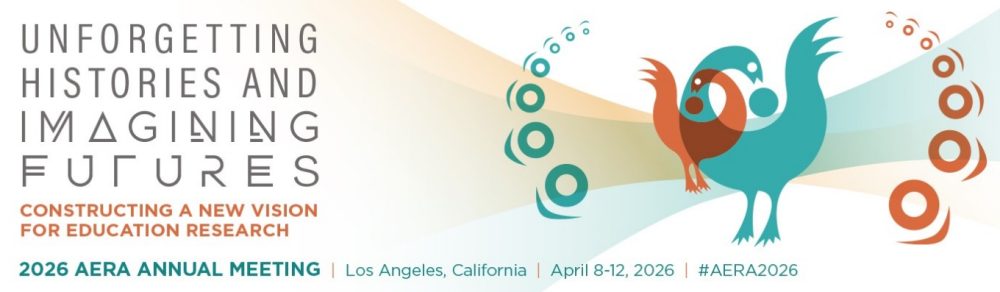
UNC Charlotte has a strong tradition of participation in the American Educational Research Association, and this year continues that momentum. A total of 31 faculty, 25 doctoral students and two postdoctoral fellows will present at the upcoming annual meeting. The delegation represents four of the five academic departments in the Cato College Education, as well as the College of Humanities and Earth and Social Sciences, and the Klein College of Science, and will contribute to 68 different presentations.
The annual AERA conference is widely considered the premier conference in education research because it is the largest, most comprehensive and most influential gathering of education scholars in the world. Proposals undergo rigorous peer review, making acceptance a meaningful indicator of scholarly quality and field relevance. The conference convenes leading researchers across diverse subfields — policy, learning sciences, equity, leadership and methodology — and frequently serves as the site where emerging theories, research agendas and policy debates first gain national and international traction. In addition to showcasing cutting-edge scholarship, AERA functions as a central hub for professional networking, journal editorial leadership and research collaborations, further cementing its role as the intellectual center of the field.
“For any college of education, strong representation at AERA signals research productivity, scholarly influence and national leadership,” said Associate Dean of Research and Graduate Education Scott Kissau. “Faculty participation as presenters, symposium organizers, discussants, and elected division or SIG leaders enhances institutional visibility and reputation, helping to attract high-quality faculty, doctoral students and research partnerships. Our visible presence demonstrates the vibrant research culture at Charlotte and a commitment to mentoring emerging scholars, particularly doctoral students presenting their work.”
FACULTY HIGHLIGHTS
Cato College has several faculty chairing various events through the week. Chance Lewis, the Carol Grotnes Belk Distinguished Professor of Urban Education, will chair a symposium entitled “Cultivating Urban Education Leaders: A Collaborative Mentorship Model for Systemic Transformation,” which will cover topics closely tied to his role leading the Urban Education Collaborative. The symposium will discuss several papers, including one centered on a research-based mentorship model from the Collaborative’s postdoctoral fellow, Raketa Ouedraogo-Thomas, and a colleague from Roger Williams University.
Rich Lambert, director of the Center for Educational Measurement and Evaluation, will chair a roundtable on teacher workload and stress where several papers will be discussed, including one of his own that investigates teachers’ desire to leave the profession, written with doctoral student Alessandra Caldwell and colleagues from UT Austin.
Tehia Starker Glass, interim executive director of the Center for ADVANCing Faculty Success, will chair a paper session on the legacy and future of black female educators. Also selected for the session was colleague Brittany Anderson‘s paper investigating how young Black girls are introduced to STEM learning, coauthored by doctoral students Ginaya Littlejohn, Sydney Carroll and Tierra M. Parsons. Glass also will chair a second roundtable titled, “Reframing Discourses Toward Educational Justice.”
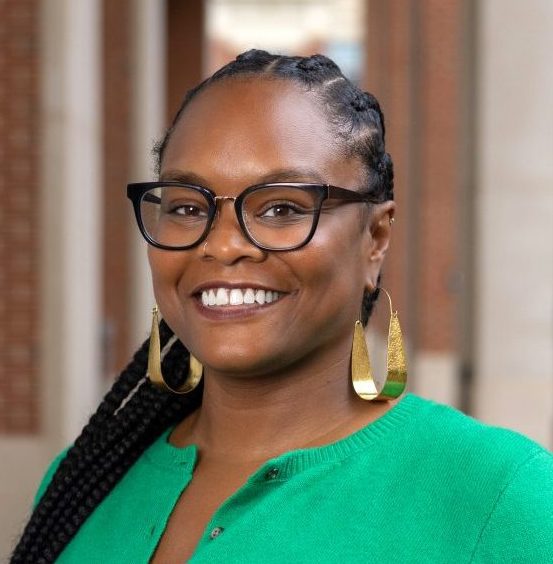
Session chairs are not the only leaders Charlotte will field at AERA. Associate professor of urban education Autumn Griffin, who received the prestigious Spencer/NAEd Postdoctoral Fellowship last year, will take part in what should be two major highlights of the week. First will be an arts demonstration, honoring the ways that arts education helps preserve cultural traditions and histories for students of the future and demonstrating how those art forms can be used for research. Additionally, she will be part of Saturday’s Presidential Session, an invited speaker panel addressing the current climate around contested literacies in schools and how educators can navigate this fraught arena while still educating students to navigate sociopolitical realities, build critical thinking, and imagine just futures.
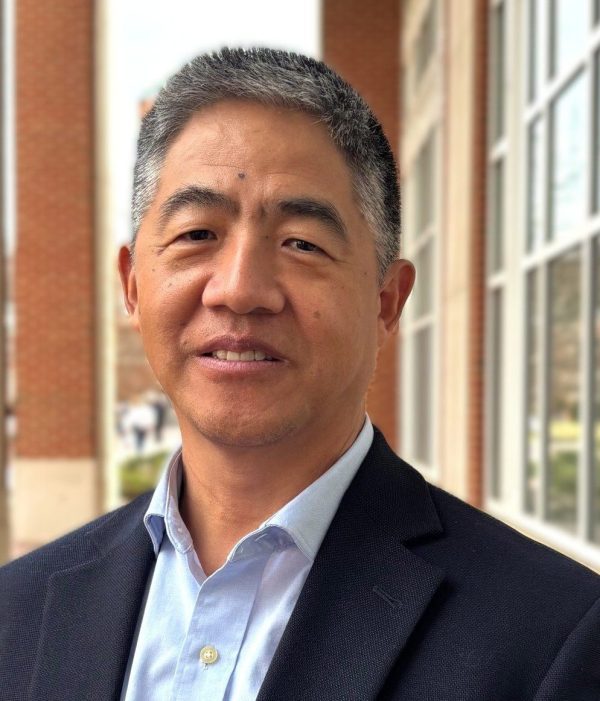
Perhaps the busiest Cato College faculty member at the AERA annual meeting will be educational leadership department chair Chuang Wang, who will participate in two roundtables, a paper session, and three different poster presentations over the course of the weekend. His research spans a wide range of topics, including student engagement in online learning environments, student motivation, MOOC completion factors, faculty use of generative AI and phonetic development among Malaysian-Chinese English speakers.
REFLECTING OUR AREAS OF EXPERTISE
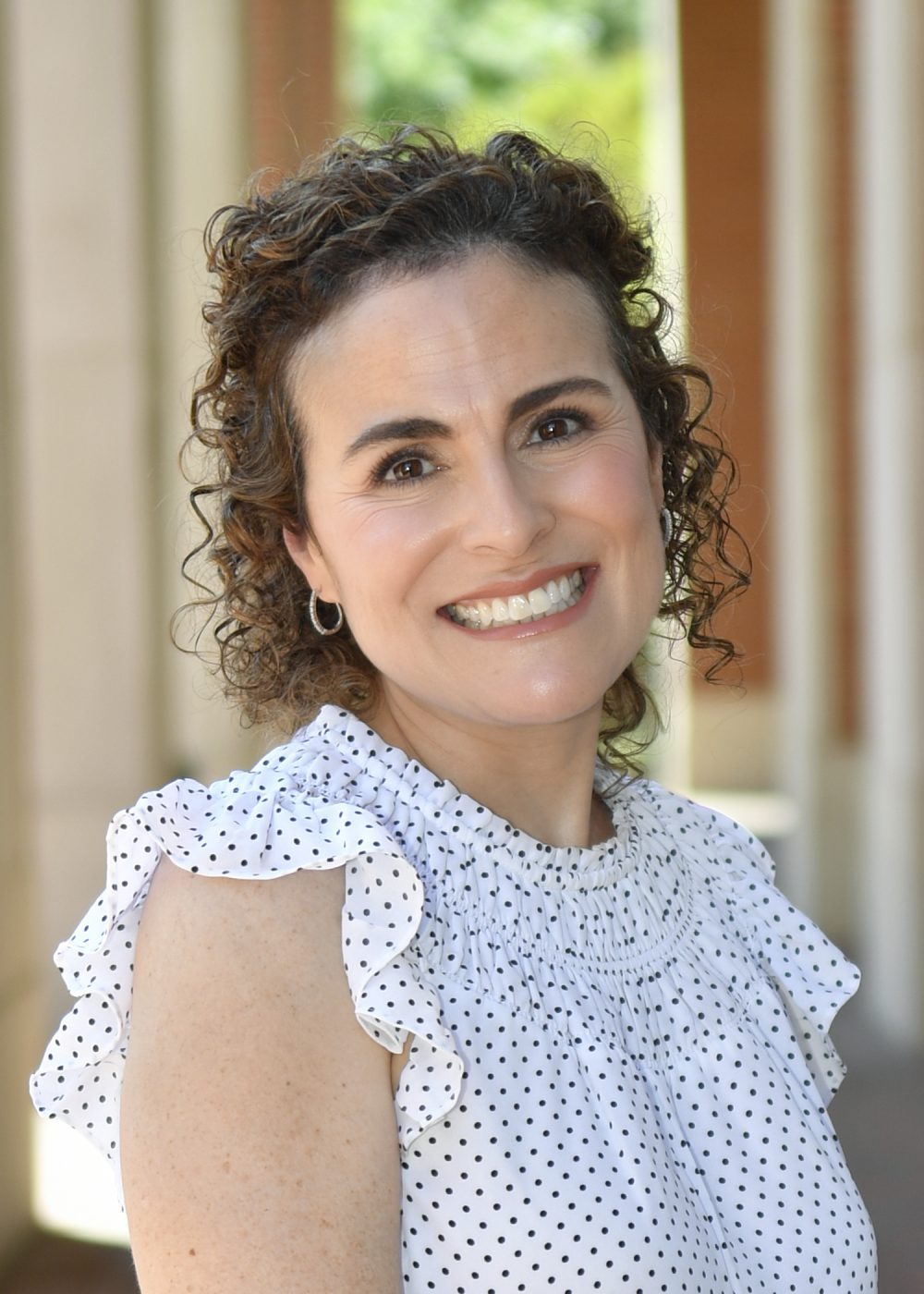
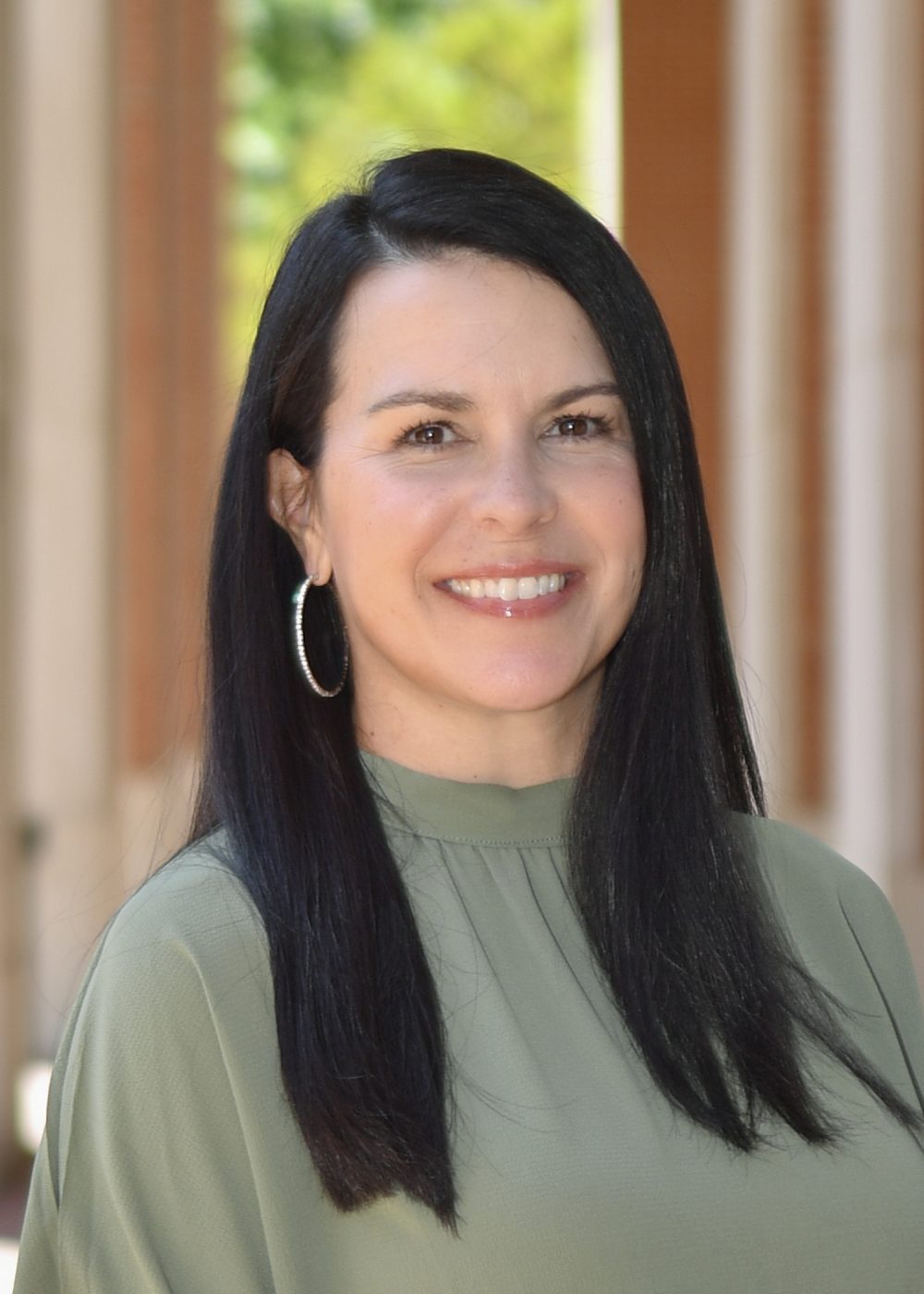
Three Mebane Early Literacy Center faculty — Paola Pilioneta, Erin Washburn and Alicia Stewart Kitten — had a paper selected for a symposium looking at the science of reading legislation and its implementation. The paper was coauthored by doctoral student Brittany Hart and a colleague from UNC Chapel Hill. MELC has done extensive community work interpreting both original and other state experts’ research around the science of reading, its benefits to students, and the benefits and challenges of its implementation, so this selection is a natural recognition of the strong literacy research in the college.
Many Cato College faculty and doctoral students will engage around AI and machine learning, which has become a significant area of focus for the educational leadership department, especially within the learning, design, and technology programs. A paper by Lambert and Kyle Cox was selected for a roundtable on complex data and analytical approaches that investigates student outcome data using machine learning, and Wang, Ayesha Sadaf and Ji Yae Bong were chosen for a paper session to discuss how faculty implementation of generative AI affects student learning.
STEM education is also a prominent focus among Charlotte representatives, reflecting the University’s leadership as home of the Center for STEM Education. In addition to the aforementioned paper session with Anderson and her doctoral students, Ouedraogo-Thomas will be featured in a separate session focused on research that elevates Black female voices to challenge inherent bias in STEM fields. Mathematics assistant professor Travis Weiland will also contribute multiple poster presentations with doctoral student Caitlin Ireland and other collaborators, including one that highlights a case study of a secondary mathematics teacher professional learning community supporting one another in developing data-driven argumentation practices.
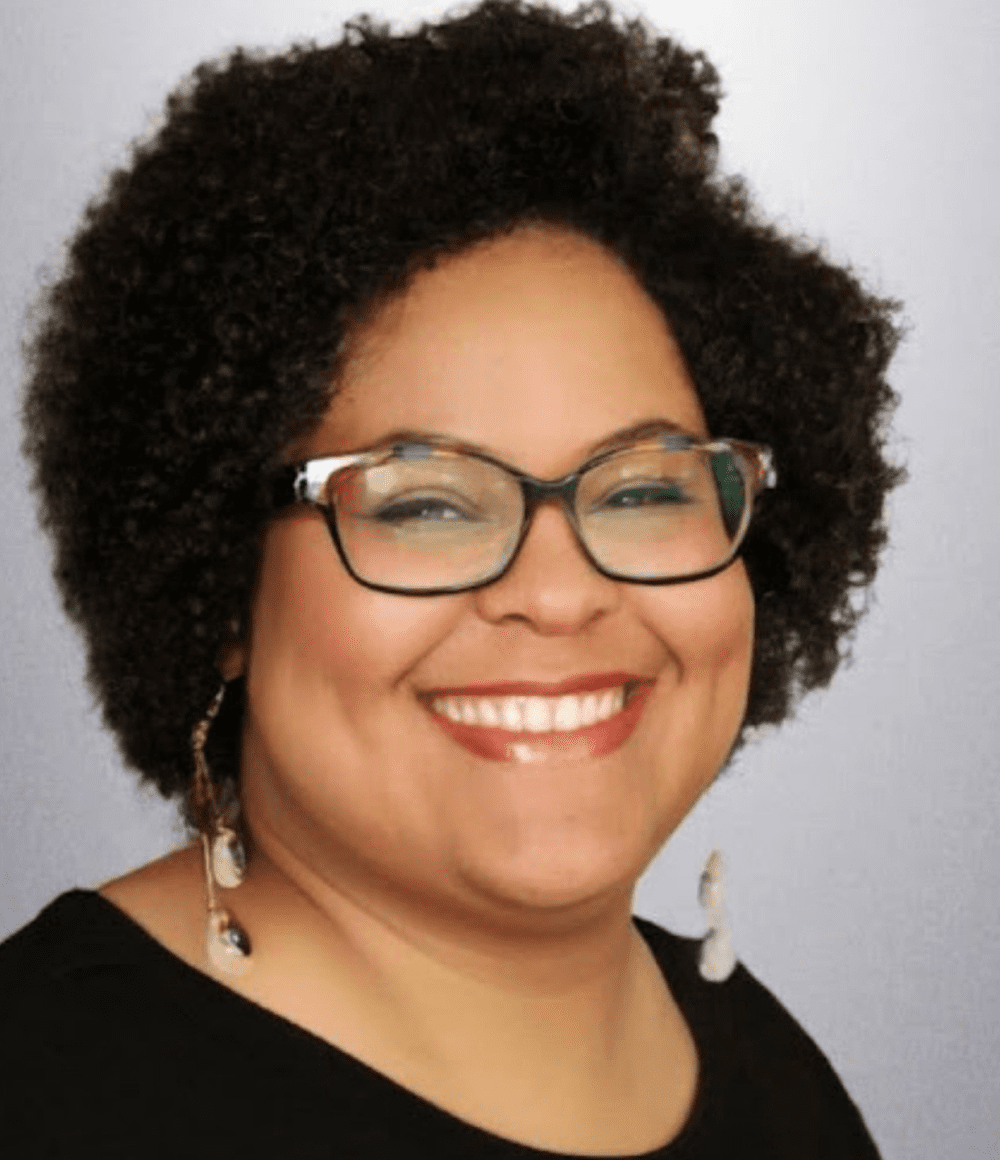
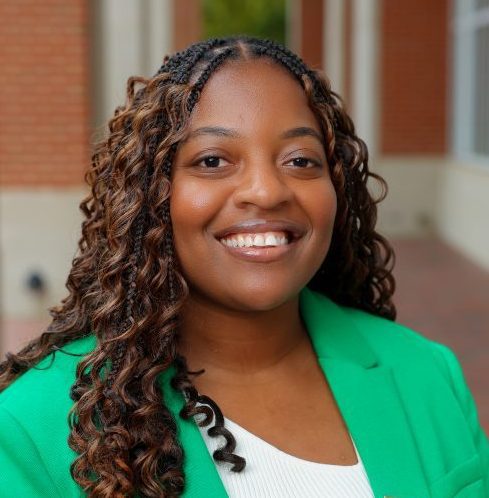
Cato College’s counseling expertise will also be represented. Rumbi Mushunje, one of the counseling department’s newest faculty members, will present in a paper session on mental health in cross-cultural contexts, with her work specifically focusing on collegiate Congolese students. The session aligns closely with her work in the college, which hosts North Carolina Cross-Cultural Counseling Conference each year.
AN OPPORTUNITY FOR DOCTORAL STUDENTS
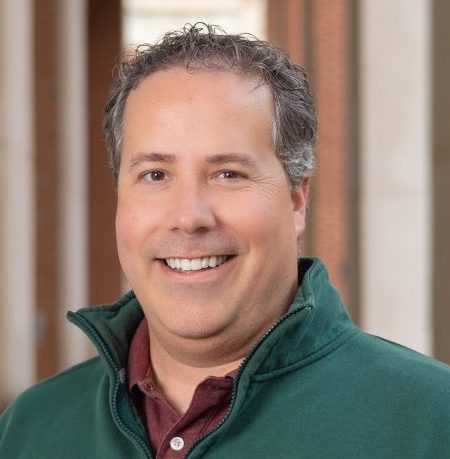
Doctoral students gain valuable experience and networking opportunities attending any academic conference, but AERA is on another level. Associate professor Carl Westine, who will be presenting alongside doctoral students over the week, described AERA as an all-encompassing educational research experience and a chance to see how both research and practical aims intersect within different educational sub-disciplines, where other conferences might have a more specific or narrow focus.
“Students get to see and hear about so many examples of educational research, and they are exposed to the breadth of how their coursework and methodological skills are used in real projects,” he said. “They gain a better appreciation for the work they are doing and how impactful it can be. They also gain a sense of the process and the culture of sharing and discussing work. When they attend, and especially when they help present, it helps prepare them to advocate for their own research and for themselves as they prepare to launch their careers.”
Westine also shared that he approaches presentations differently when doctoral students attend alongside him, rather than when he’s presenting solo or with faculty colleagues. “I see it as an opportunity to build confidence, challenging them to expand their ownership of this effort. Throughout the process of preparing the slides, practicing the presentation, and ultimately delivering it, I try to understand what a student is comfortable with and where they need me to provide some additional support.” In many cases, the student will have the lead role in presenting, with faculty taking a quieter support role, giving even first-year doctoral students valuable experience for future careers in research and teaching.
View the full program of the AERA 2026 Annual Meeting. Be sure to use the search function to find sessions that feature Charlotte or our specific faculty.
Join the Charlotte delegation at a reception at Prank Bar’s outdoor patio on Thursday, April 9, 7:30-9pm local time, co-sponsored by UNC Charlotte’s CEME and the AERA Stress, Coping, and Resilience SIG.