Cato College launches two new teacher preparation programs
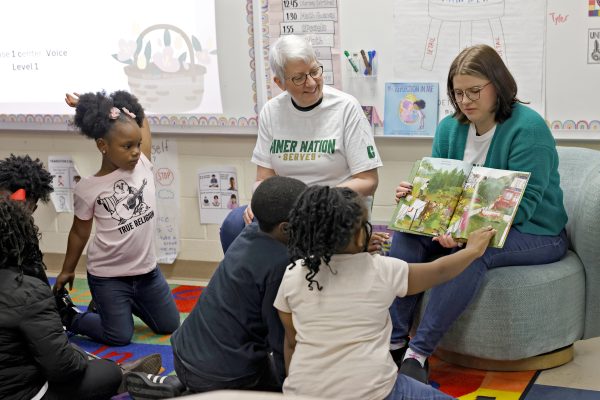
Starting with the 2026-2027 academic year, Cato College of Education will offer two new programs for teacher preparation: a Graduate Certificate in Teaching with a concentration in health and physical education and an accelerated Bachelor of Arts in Special Education designed for teacher assistants. Both programs will be offered 100% online, with support from the School of Professional Studies, and lead to initial professional licensure. This makes UNC Charlotte the first public university in North Carolina to offer a fully online pathway for special education TAs to earn an accelerated bachelor’s degree in their own classroom, and the fastest degree pathway in the UNC System for students seeking health/PE licensure at just 16 credit hours.
“These programs were created in direct response to community need,” Associate Dean for Undergraduate Education and Teacher Preparation Tisha Perkins Greene shared. “We heard from our district partners across the southwest region that they needed more high-quality pathways for special education and health/PE teachers to obtain their initial licenses, so we got to work developing the coursework and finding the faculty that would do exactly that. These programs are coming to fruition now, about a year after those community conversations — we work fast!”
Charlotte is the No. 2 producer of teachers in the state of North Carolina, and Niner alumni have one of the highest rates of effectiveness among teachers in the classroom, as rated by their administrators. School districts know that if they have teachers in need of licensure programs, Charlotte is one of the best places to send them.
Health and Physical Education
“We are excited to add health and PE to our licensure areas,” program director Adam Myers said. “This program will equip students with the skills to develop as an effective health and PE teacher and earn their initial North Carolina teaching license to teach in any K-12 school environment.”
Like Charlotte’s other graduate certificate in teaching programs, this will be a great fit for prospective students who are already teaching in their own classrooms but do not yet have their full initial licensure, as candidates currently employed as health/PE teachers will be able to complete student teaching in their own classrooms. It will also support candidates who are not yet full-time teachers seeking health/PE licensure from anywhere in the state, as all coursework can be completed online. The program only takes three semesters to complete, including one semester as a full-time student teacher.
Special Education — TA to Teacher
Program director Carly Forshee calls this accelerated program “a common sense approach to obtaining a bachelor’s in general curriculum special education.” Qualified teacher assistants can complete their clinical field experiences and their student teaching requirements with the students they work with every day. In Forshee’s words, “Rather than leaving the work they love to further their education, they get to bring their university coursework to the classroom where they already make a difference.”
The program offers a flexible learning environment to complete all coursework weekday evenings online, using both synchronous and asynchronous instruction. In just two years, students will complete their bachelor’s degree and can test for licensure. Candidates are required to enter with an A.A., A.S. or A.A.T.P., which helps accelerate the process for what is typically a four-year degree, but the coursework also leverages existing TA strengths, like relationships with students, experience teaching small groups and hands-on behavioral management.
Outlook
Both programs are accepting applications for the 2026-’27 academic year, with the special education program starting classes the second summer session of 2026 and health/PE education starting its first cohort in the fall semester of 2026.
“Cato College of Education is always looking for ways to improve teacher preparation for our Charlotte community, the state of North Carolina and beyond,” said Dean Malcolm Butler. “These two new pathways are just the latest in our long history of service and partnership with local school districts.”