Ph.D. student Ela Ziv awarded Lucille P. and Edward C. Giles Dissertation-Year Fellowship for research on AI perspectives in classrooms
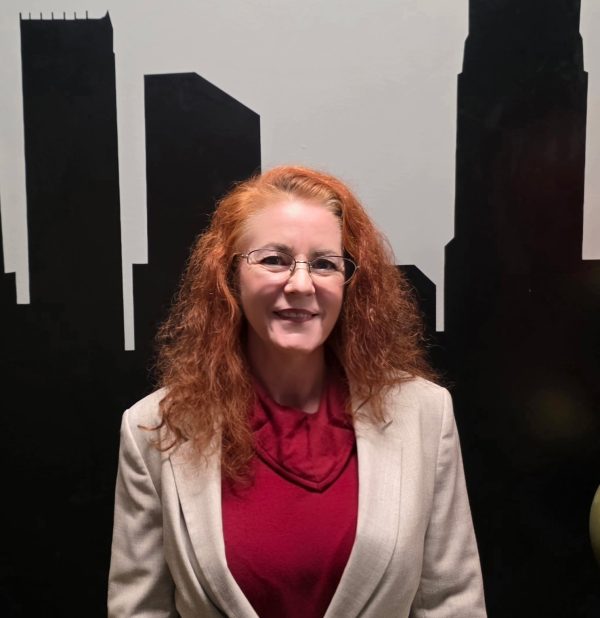
Ela Ziv, a doctoral candidate in the Ph.D. in Curriculum and Instruction program, has been selected as one of four recipients of the Lucille P. and Edward C. Giles Dissertation-Year Fellowship for the 2026–2027 academic year, which covers tuition and fees as well as funds for travel to present her research. Her dissertation examines teacher perspectives on the use of generative AI to support student learning in K–12 educational settings, addressing a timely and impactful area of educational research with important implications for teaching, learning and educational policy.
RESEARCH
When she previously worked as an elementary math teacher, Ziv seized every opportunity to integrate technology in her lessons to better prepare students for their future coursework and careers, but she also noticed that not all of her peers felt the same. The generative AI boom began around the same time that Ziv began her program, and it proved to be a great help to her in becoming more comfortable writing in English, as it’s not her native language. But the more she used it, she also became aware of its downsides. Combining the personal lessons from those experiences, she designed a mixed methods study to survey classroom teachers about their AI use in the classroom and how their feelings influenced their use habits. She is currently seeking a district partner that will allow her to gather data from teachers across the K-12 spectrum.
Ziv’s investigation of classroom teachers’ perspectives on AI breaks down into the following areas:
- achievement
- learning process
- interpersonal relationships
- classroom dynamics
While she has not completed her research yet, one key point Ziv made was that AI is not technology designed for education. This sets it apart from nearly every other tool in a classroom teacher’s tech toolbox, which are almost exclusively designed for education purposes. Ziv said, “That is why there are concerning aspects that education must address, or at least be aware of. I really believe teachers’ perspectives are essential, because in the end, they’re in the classroom making those decisions, and they have to do what’s best for their students.”
AWARD IMPACT
Ziv continually expressed her gratitude for the fellowship award, particularly in the way it takes heavy logistical concerns off of her mind to help her focus on her program, which is especially helpful as a full-time student. “It allows me to devote all my time to the dissertation. My dissertation proposal was very broad, and it was recommended that I narrow it down, focus on just one aspect or a smaller scope, but with this, maybe I will have the time and space to study all of it.” The award will require her to finish this year, but Ziv feels fully prepared to complete her dissertation in that time.
She also expressed her appreciation for her dissertation chair and mentor, Tina Heafner, who also directs the Ph.D. program. “She nominated me and said that I should apply… I wish I had the words in English to describe how blessed I feel to work with her. I have learned so much, not just about my research area, but research in general, higher education, K-12 education and technology. Working with her has been the best thing to happen for me in this program.”
Ziv becomes only the second doctoral student from the Ph.D. in Curriculum and Instruction program to receive this prestigious UNC Charlotte Graduate School fellowship, but will likely serve as an inspiration for future education doctoral students to push themselves to apply.